
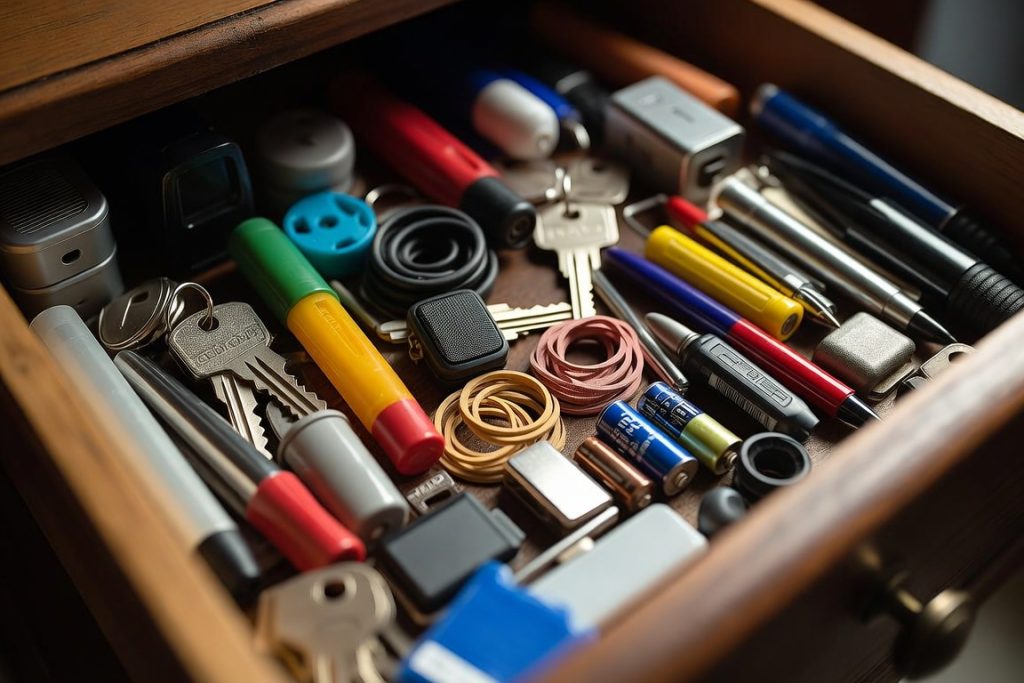
Every budget has a gap between the plan and reality. A well-designed miscellaneous category is what fills it — before it becomes a problem.
The Inevitable Budget Gap
No matter how carefully you plan your monthly budget, reality will generate expenses that did not fit any of your defined categories. A birthday card. A minor car supply. A replacement for something that broke unexpectedly. A small fee you did not anticipate. These are not budget failures — they are the natural texture of real financial life.
Budgets that do not account for this texture will be broken by it. A budget with no room for the irregular, the unexpected, or the miscellaneous is a budget that will be violated every month. And a budget violated every month quickly becomes a budget that is not used.
What Belongs in Miscellaneous
A miscellaneous category is not a catch-all for overspending in other categories. It has a specific purpose: absorbing the legitimate, small, irregular expenses that do not fit defined categories and that cannot be predicted specifically even though their existence is predictable.
Examples include: small household supplies that do not quite fit in groceries, minor personal care items outside the regular routine, small social expenses like a birthday gift or card, minor work-related costs, and any other small legitimate expense that does not belong in a specific category. What does not belong here is spending that consistently appears in another category — that spending needs its own line item.
Reviewing What Goes Into Miscellaneous
Review your miscellaneous spending monthly. If the same type of expense appears in miscellaneous repeatedly — household supplies every month, for example — that expense has demonstrated it belongs in its own category. Move it there. The miscellaneous category should shrink over time as regular expenses are identified and given their own line items, leaving it appropriately sized for the genuinely irregular ones.
The Psychological Value of Miscellaneous
Beyond its practical function, the miscellaneous category serves an important psychological role: it gives you permission to spend small amounts on unexpected necessities without feeling like you have failed your budget. A rigid budget that makes you feel guilty every time reality does not match the plan is a budget you will eventually resent and abandon. A budget that builds in realistic flexibility is a budget you can live with — which is the only kind that actually works.
Disclosure: This site may receive compensation when you click on links or complete offers through our partners. Content is for informational purposes only and does not constitute financial advice.